Cardiff City Football Club crestProud to be associatedwith Cardiff City Football Club
Gas Safe Register logo
Registered business978273

System water quality

Powerflushing in Cardiff & heating-system cleaning

Looking for powerflushing in Cardiff because radiators stay cold or the system warms slowly? SwiftHeat UK Group Ltd checks the cause first. Where sludge or debris is restricting circulation, we explain the suitable cleaning method, its limitations and the work needed to protect the system afterwards.

Tell us your postcode and what you need. We will discuss availability, arrange any assessment needed and explain the price before you book.

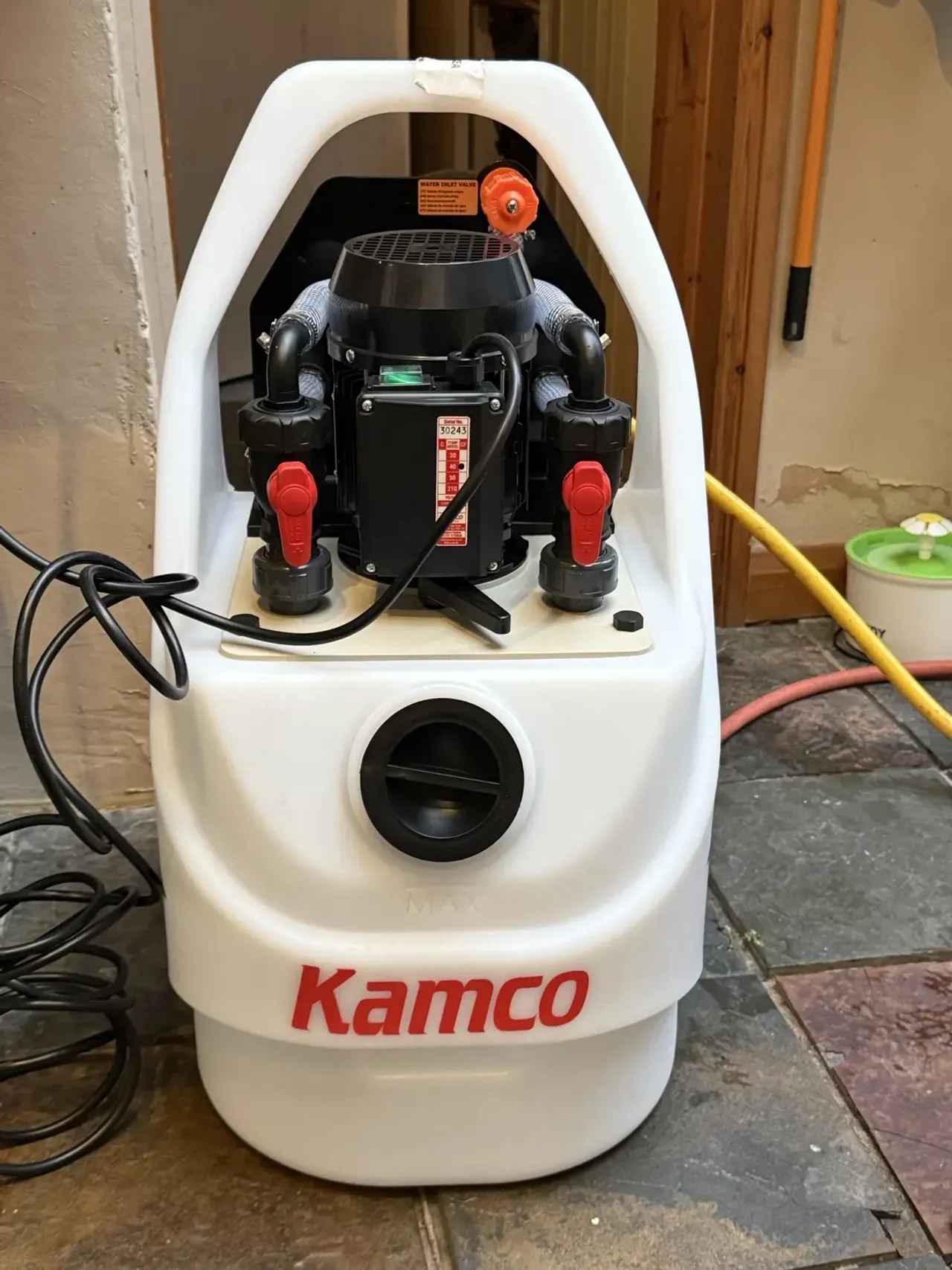
Kamco power-flushing machine used by SwiftHeat UK for central-heating system cleaning
Professional Kamco equipment for targeted heating-system cleaning

Assess first. Recommend second.

Does your heating system need powerflushing?

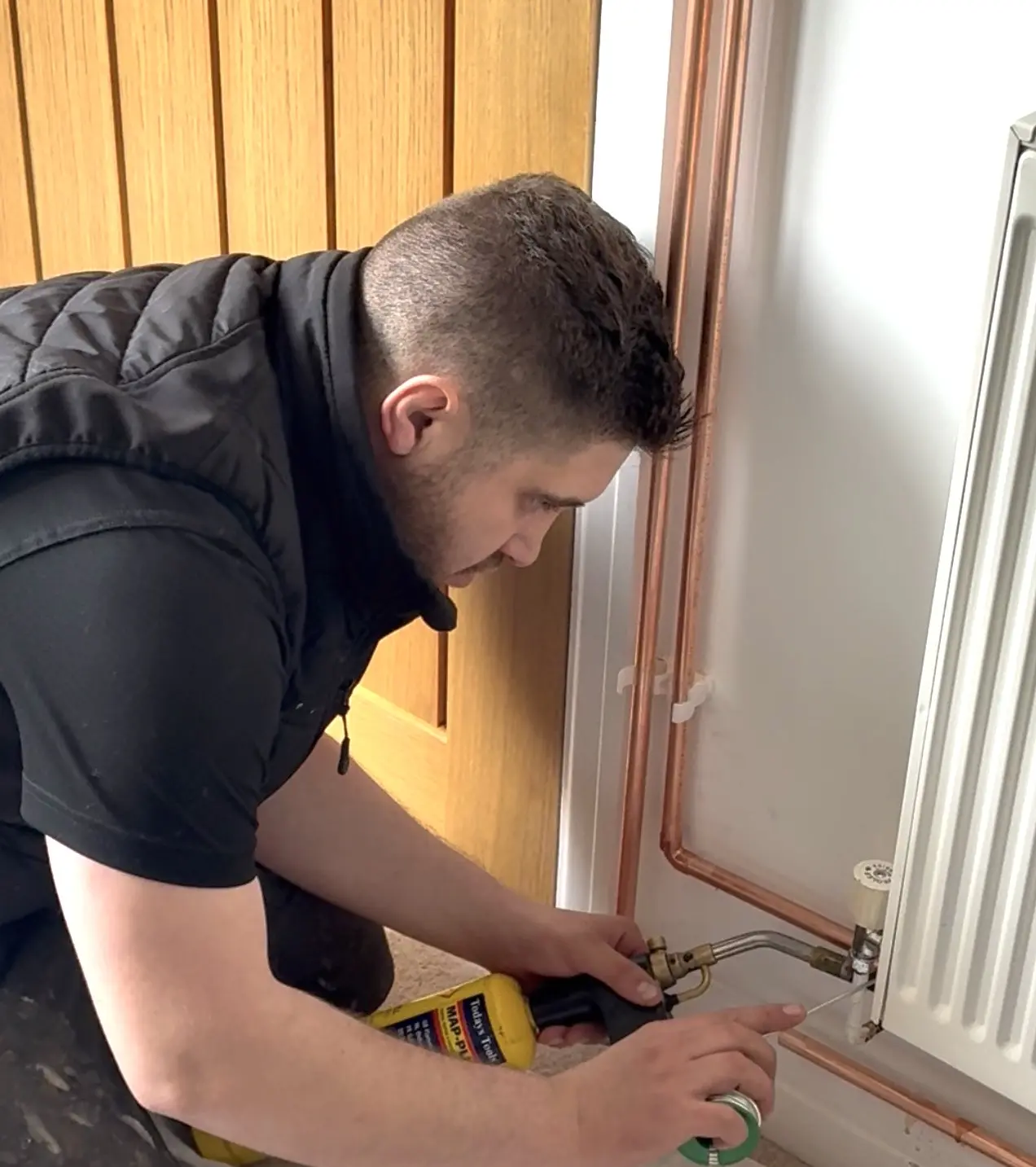
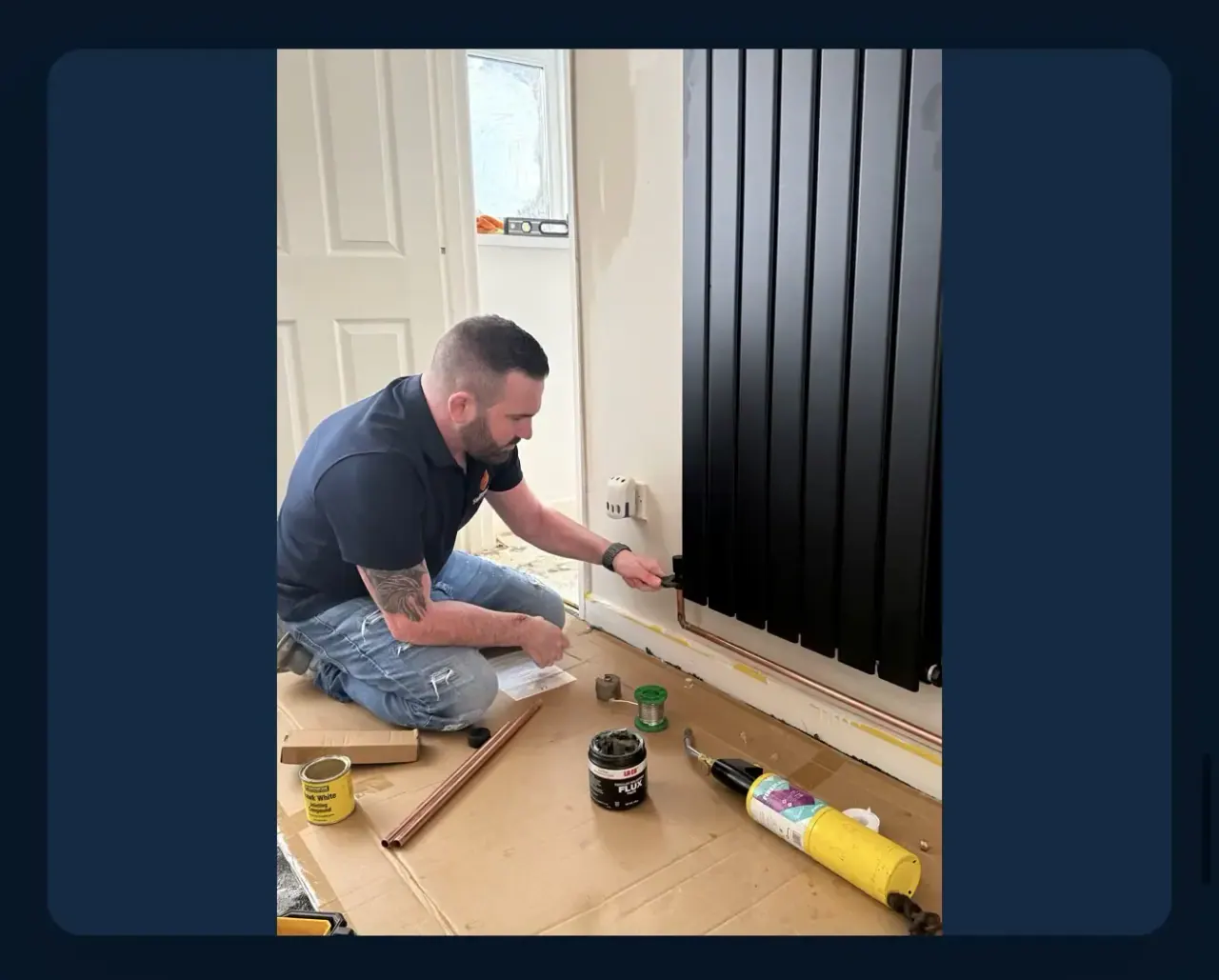
SwiftHeat UK engineer working on a radiator’s copper pipe connections
The existing radiators and pipework matter as well as the boiler. Their condition helps determine the right preparation and any repairs.Explore radiator and heating upgrades →

Corrosion products and debris can restrict heat exchangers, valves, pumps, pipework and radiators. Common signs include cold spots, dirty water, noisy operation, repeated component problems or slow circulation. Similar symptoms can also be caused by balancing, failed valves or design limitations, so investigation matters.

SwiftHeat UK reviews the system condition before recommending a power flush, chemical clean, targeted treatment or a different repair. The method should reflect the contamination, system construction, component condition and manufacturer requirements.

Cleaning is most effective when followed by correct inhibitor dosing, air removal, filtration where appropriate and a plan to prevent the same problem returning.

New boiler. Existing radiators and pipework.

Why clean an ageing system before a new boiler?

Replacing the boiler does not remove the sludge already sitting in older radiators and pipework. Where that contamination is present, a suitable power flush can be an important part of preparing the retained system for the new appliance.

01 / REMOVE OLD DEBRIS

Start with a cleaner heating circuit

Rust and magnetic sludge can collect over years of use. Installation work or changed circulation can disturb settled deposits. Cleaning removes contamination from the retained circuit before it is carried around the upgraded system.

02 / PROTECT NEW COMPONENTS

Reduce avoidable restrictions

Debris can restrict a heat exchanger, pump or valve. Preparing the whole circuit helps protect the new boiler from contamination left behind in the old system, rather than replacing an appliance while leaving the cause of repeated problems untreated.

03 / SUPPORT HEAT DISTRIBUTION

Help heat reach the radiators

Removing sludge can improve circulation where contamination causes cold areas or slow warm-up. The cleaned system still needs appropriate balancing and commissioning. Cleaning alone cannot correct undersized pipework or radiators.

04 / PREPARE AND PROTECT

Follow the boiler’s water-treatment instructions

The selected boiler and cleaning products have specific preparation requirements. Suitable inhibitor, filtration where appropriate, and ongoing checks help protect the cleaned circuit. We explain the installation requirements and the applicable manufacturer warranty terms for your boiler.

Further guidance: Worcester Bosch on cleaning before installation · System filters and inhibitor · How Kamco power flushing works.

Your next step

Discuss your power flushing

Tell us your postcode and what you would like to improve. We will discuss the work, confirm availability and explain the assessment and quotation before you decide.

No obligation. Your appointment is confirmed when we agree a date and time. Any additional work is quoted before you approve it.

Prefer to speak to us?0800 043 3464

Check our South Wales service areas

Enquiry: Heating upgrade

Add property details (optional)

Read our Privacy Policy.

Service scope

A system-cleaning plan may involve

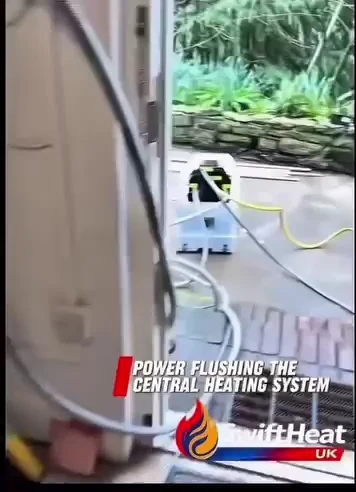
Power-flushing equipment and hoses connected during SwiftHeat UK’s Monmouth installation
Power flushing during our Monmouth boiler installation, captured from the project film. Cleaning and magnetic filtration formed part of this installation’s scope.Watch the Monmouth project →
Assessment of symptoms, water appearance and circulation
Power flushing where the system is suitable
Chemical cleaning or targeted component cleaning
Radiator-by-radiator attention during the process
Magnetic filter inspection or installation where appropriate
Refilling with suitable inhibitor
Leak, pressure and operational checks
Final balancing and performance review

Whole-system thinking

Protect the boiler and retained heating system

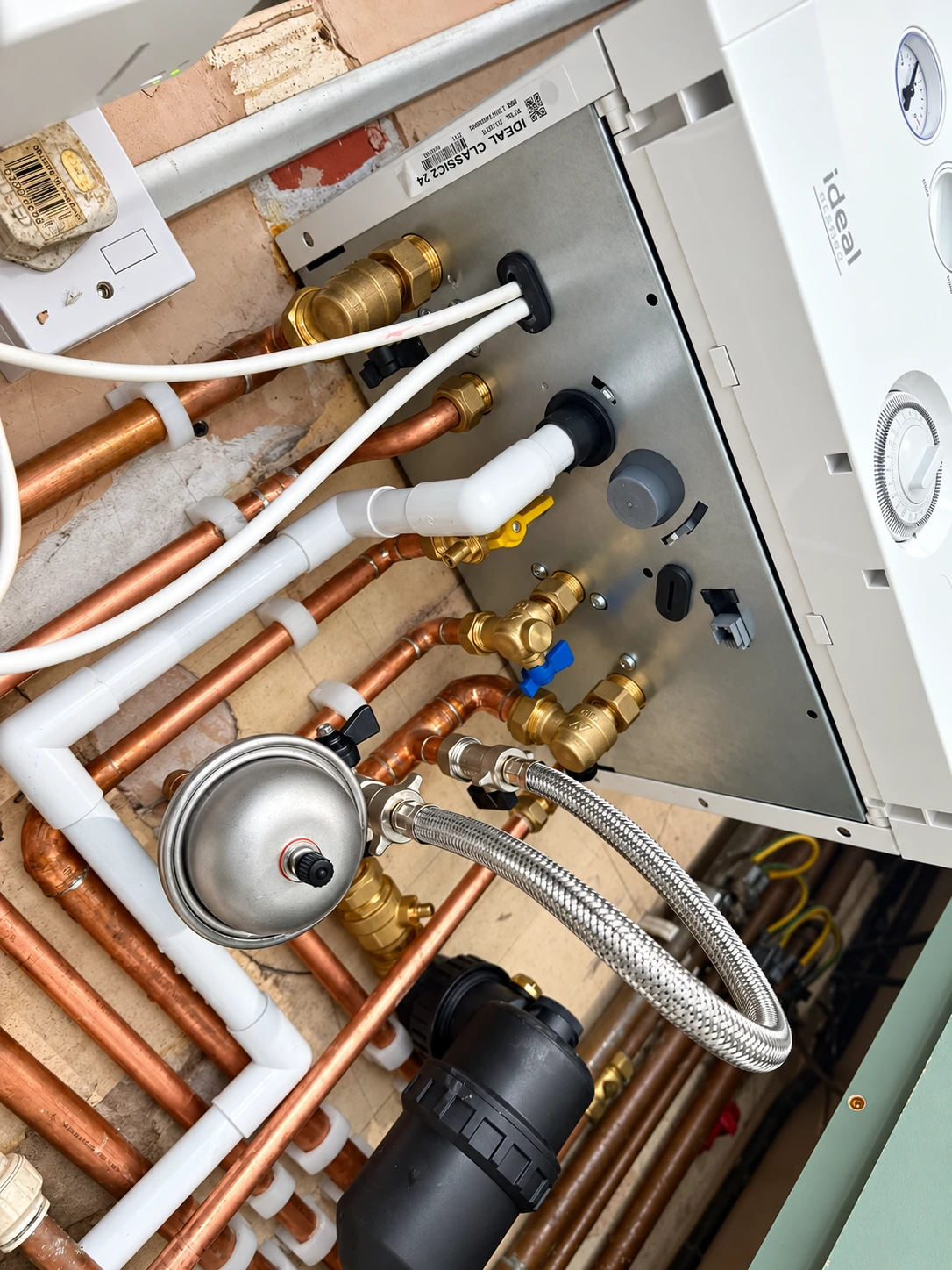
Boiler pipework, filling loop and magnetic filter at SwiftHeat UK’s Treherbert installation
Pipework and filtration at our Treherbert installation. A suitable filter supports ongoing protection after the heating circuit has been cleaned.See the Treherbert installation →

After cleaning, the system needs suitable inhibitor treatment and checks of water condition, circulation and heat distribution. A magnetic filter can capture circulating magnetic debris; it does not replace cleaning deposits already settled in radiators or pipework. The filter and inhibitor need ongoing attention at service visits.

A flush cannot correct undersized pipework, a weak pump, closed valves, incorrect balancing or a radiator with inadequate output. It can also expose weaknesses in very old components already affected by corrosion. Those limitations should be discussed before work starts.

Our approach separates contamination from other causes and sets realistic expectations. Where cleaning is justified, the objective is to restore circulation and protect components—not to promise an improvement that the physical system cannot deliver.

Planning this work alongside other upgrades? Explore Whole Home Energy Solutions to consider heating, hot water, solar and storage together. Find local heating guidance and enquiry details for your area.

See powerflushing within a genuine installation

Our Monmouth Worcester Bosch Greenstar 8000+ Style case study records power flushing and magnetic filtration alongside the boiler installation and gas-supply work. Its photographs and film show the documented project; the existing thermostat was retained.

For your Cardiff property, the decision still starts with the circuit condition and manufacturer requirements. The Monmouth installation is evidence of work we carried out, rather than a standard cleaning package or a promise that flushing will resolve every fault.

Cleaning before or alongside a heating upgrade

If you are also replacing a boiler or radiators, discuss water condition and the sequence of work during the survey. The cleaning method, filtration and any repairs should be identified in the quotation rather than assumed to be included. New equipment does not remove an existing circulation problem by itself.

Record the symptoms before arranging system cleaning

Tell us whether a radiator is cold at the top, bottom or throughout, whether one room or several are affected, and whether the pattern changes during a heating cycle. Mention recent radiator or boiler work, control changes and any recurring pressure loss. Those details help prepare the assessment; they do not determine the cleaning method remotely.

Recurring pressure loss needs its own investigation. A cleaning recommendation should explain what evidence indicates contamination, why the proposed method suits the circuit, and how circulation and system protection will be checked afterwards.

System cleaning in a documented boiler installation

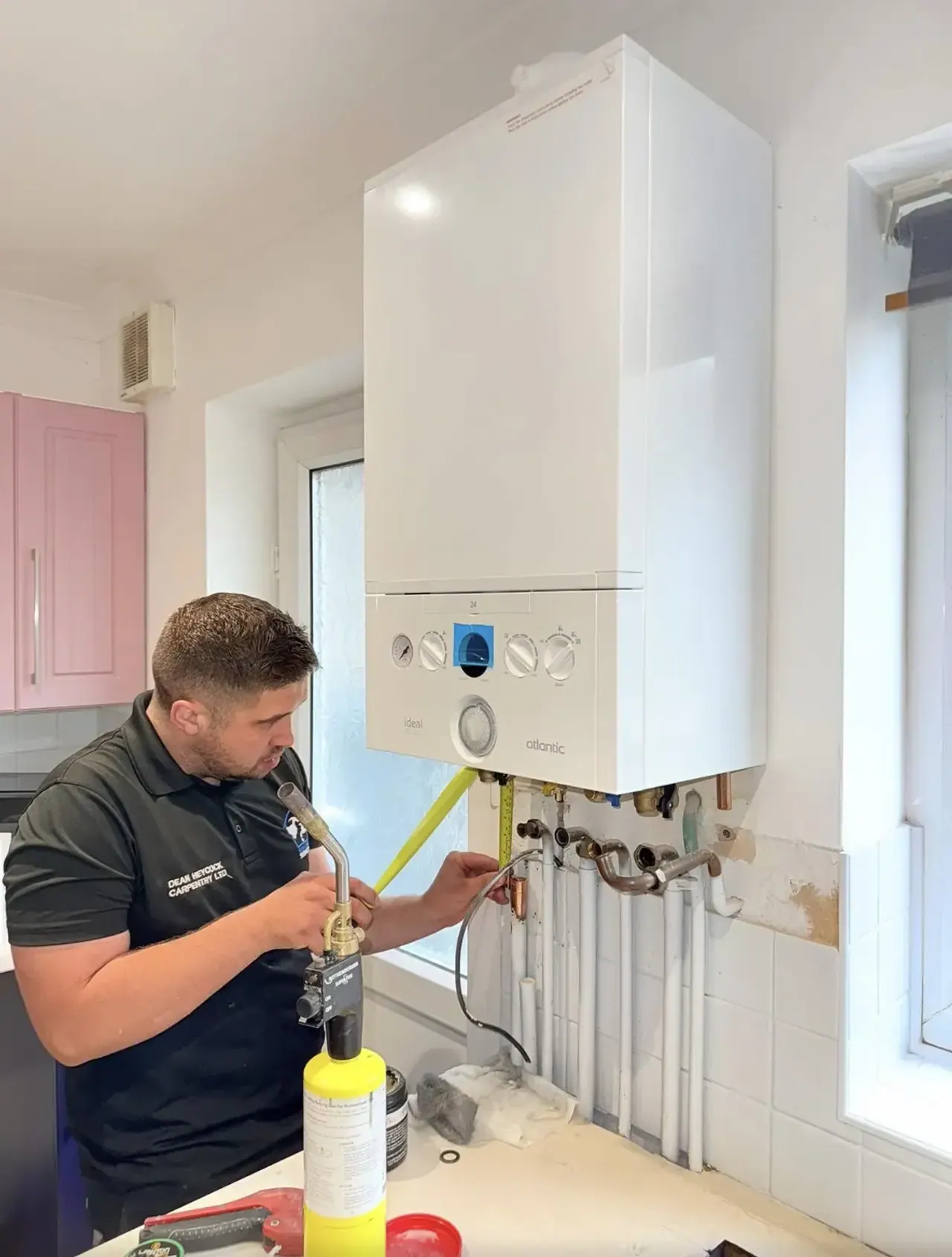
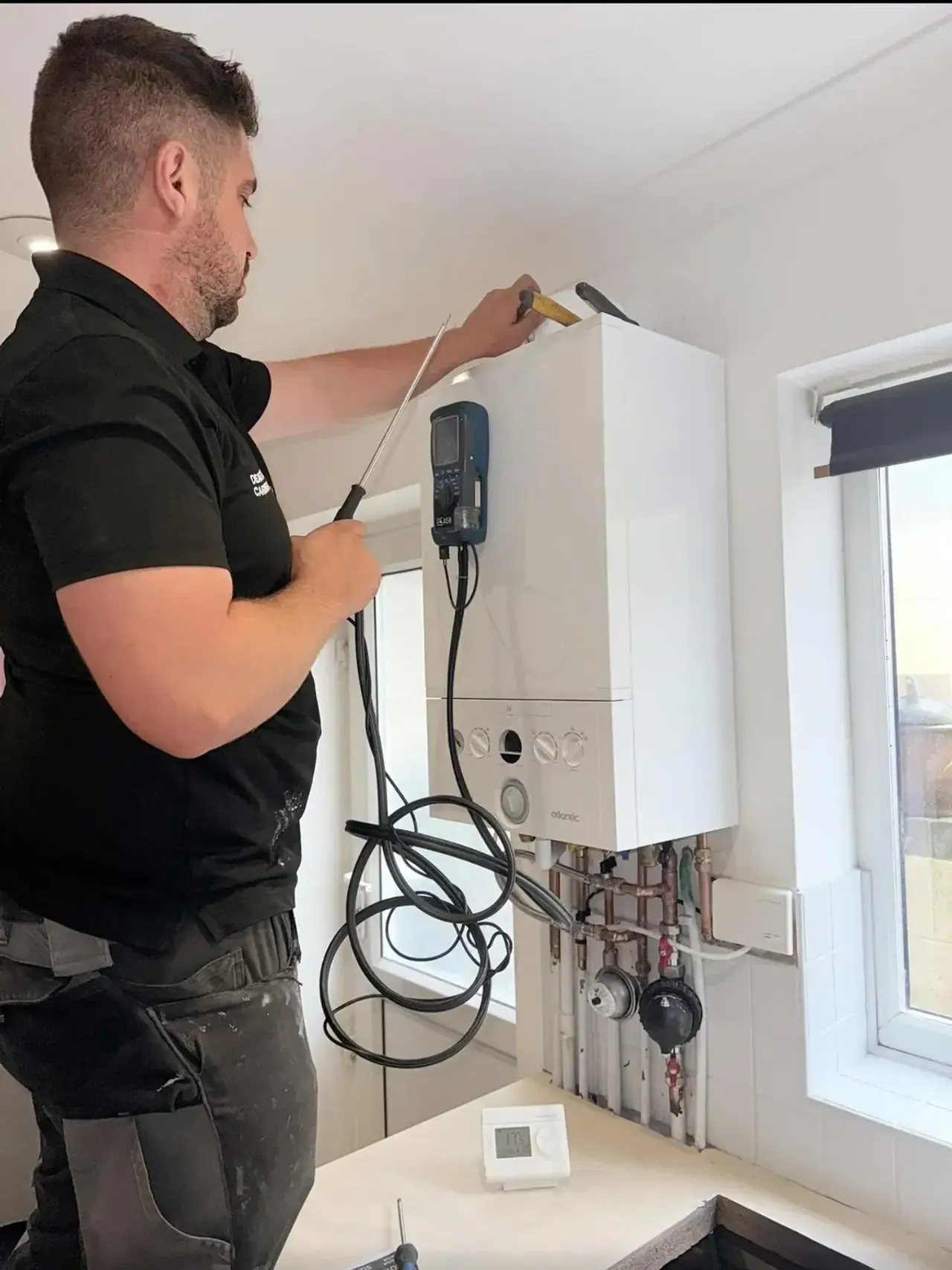
Our Treherbert landlord case study records system cleaning as part of an Ideal Atlantic C24 boiler replacement, alongside new pipework, controls and landlord documentation. It provides a completed example of system preparation being included with installation work.

The case study records cleaning; it does not establish that a power flush is required for your home. We assess your circuit and explain the appropriate method, any component risks and the checks included in the quotation.

Power flushing, chemical cleaning or a different repair?

Power flushing uses specialist equipment and suitable cleaning chemicals to circulate water through the heating circuit and remove contamination. The boiler, radiators, pipework and other components must be assessed for the proposed method.

A chemical clean, targeted component treatment or repair may be more appropriate in some systems. Cold spots, dirty water or noise are reasons to investigate; they are not proof that every home needs a power flush. If a radiator is damaged or cannot provide enough heat, cleaning will not correct that limitation.

What affects a power-flushing quotation?

Radiator count, system layout, contamination, connection access, pipework and component condition affect the work and time required. An older or heavily restricted system may need precautions or separate repairs that should be explained before cleaning starts.

For an initial enquiry, share your postcode, approximate radiator count, boiler details and the symptoms you have noticed. Tell us which rooms are affected and whether the problem followed other heating work. We explain the appropriate assessment, recommended method and quotation scope before you book.

Checking the result and protecting the system

The end of cleaning is followed by checks appropriate to the chemicals and system, suitable inhibitor treatment and a review of operation and heat distribution. Clear-looking water alone is not a complete check of system-water condition.

We discuss findings, any remaining faults and the prevention needed for your system. Suitable filtration, inhibitor checks and attention to leaks help address the reasons contamination can return. An efficiency or bill-saving percentage cannot be promised from cleaning alone.

How we work

A clear path from first conversation to confident handover.

01

Diagnose

We check whether the symptoms point to contamination, circulation, controls or another cause.

02

Choose

The cleaning method and any component precautions are agreed for the actual system.

03

Clean

The process is carried out methodically, monitoring water and individual heat emitters.

04

Protect

The system is refilled, treated, checked and balanced with prevention in mind.

When to consider it

System cleaning may be appropriate when

  • Radiators have persistent cold areas linked to contamination
  • System water is heavily discoloured or contains magnetic debris
  • Boiler components are repeatedly affected by poor water quality
  • A manufacturer requires preparation before a new appliance is connected
  • Investigation has ruled out simpler valve or balancing causes

Helpful answers

Power flushing FAQs

What should I send for a powerflushing quote in Cardiff?

Send your full postcode, approximate radiator count, boiler make and model, and a description of which rooms or radiators are affected. Mention leaks, repeated pressure loss and recent heating work. You can use the enquiry form, call 0800 043 3464 or send photographs of safely accessible equipment on WhatsApp. The assessment confirms suitability and price.

Is a power flush always needed before a new boiler?

The retained radiators and pipework need suitable preparation because replacing a boiler does not remove existing sludge. A power flush may be appropriate where contamination is present, but the method depends on water condition, component suitability and the boiler manufacturer’s instructions. Age alone does not make every system suitable for power flushing.

Does a magnetic filter replace the need for system cleaning?

No. A magnetic filter captures circulating magnetic debris, but it cannot be relied on to remove deposits already settled in radiators and pipework. Appropriate cleaning, inhibitor treatment and filter maintenance work together to protect the system.

Will power flushing fix cold radiators?

It can improve circulation where sludge or debris is the cause. Cold radiators can also result from air, valves, balancing, pump performance, pipework or sizing, which need different remedies.

Can flushing cause leaks?

Cleaning does not create sound metal, and badly corroded components may already be close to failure. The system condition and risks should be considered before higher-flow cleaning is used.

How can I protect the system afterwards?

Correct inhibitor concentration, suitable filtration, good air removal, leak control and periodic water-quality checks can all help. The exact plan depends on the system.

How much does power flushing cost in Cardiff?

The quotation depends on radiator count, system layout, access, contamination and component condition. Cleaning, filtration and any separate repairs should be identified in the agreed scope. Contact SwiftHeat UK with your postcode and symptoms for the assessment and quotation next step.

How long will power flushing take?

Time depends on the size, layout and condition of the system and the treatment required. We discuss the expected work, access and disruption after assessing your heating, rather than promising the same duration for every home.


The heart of your home, in expert hands.

Talk to SwiftHeat UK about power flushing.

Tell us what is happening in your property and what you want to achieve. We will explain the sensible next step without obligation.