
Solar PV
Around£7,600
Typical 4.5kWp domestic installation; battery storage considered separately.
View independent source ↗ Highly Commended forEnergy Consultancy of the Year 2026Wales Energy Efficiency Awards
The right improvements. In the right order. For your home.
Solar, storage, heating and hot water, planned together around your comfort, energy use and budget.
Start with your home. You do not need to choose the equipment first.
Assess first. Recommend second.
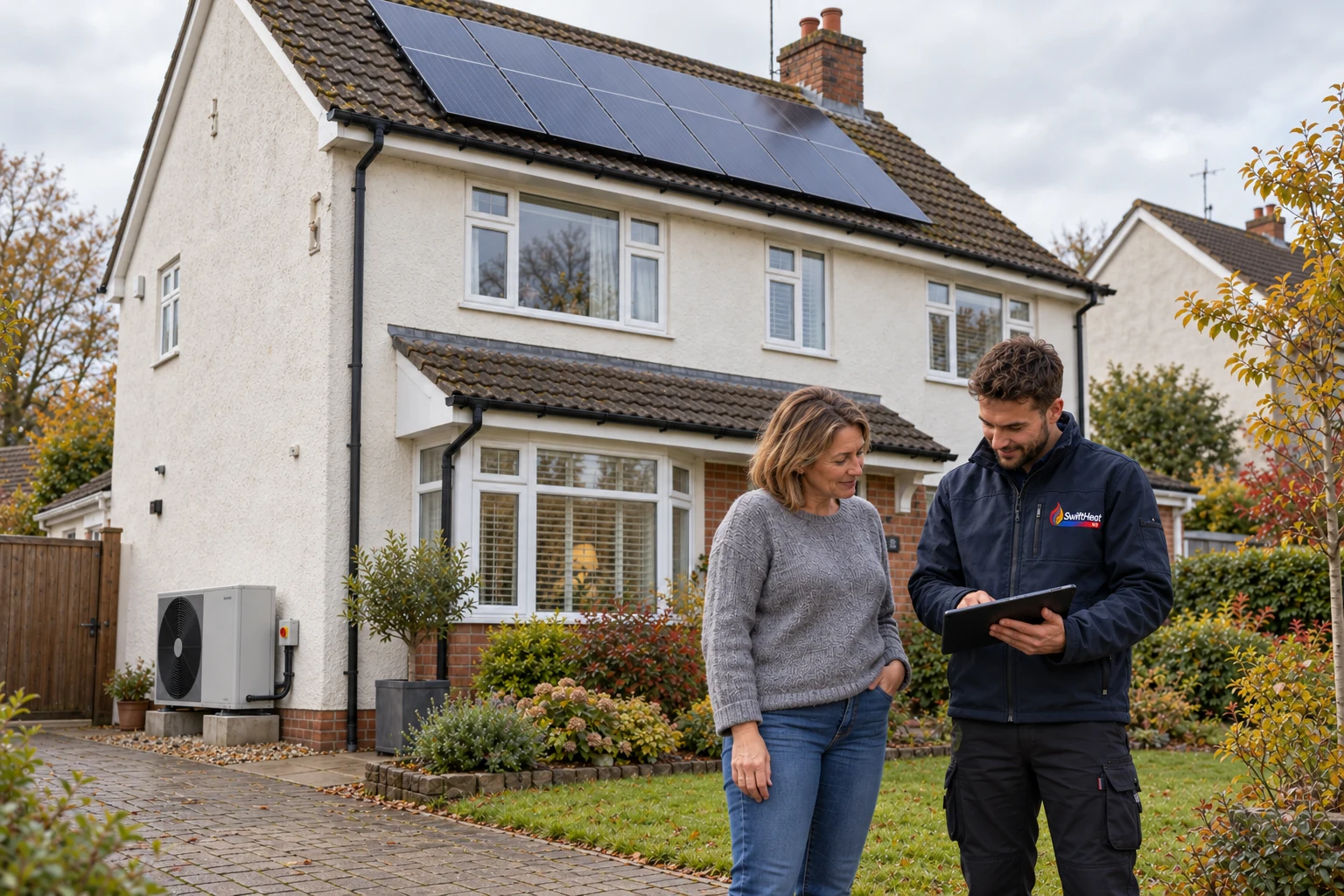
Choose a priority. Your choice carries into the enquiry.
Select a priority to see a useful starting point for your home.
Planning for business premises? Explore the business enquiry route ↗︎
See the role of each technology. Your plan may combine suitable options, or begin with one carefully chosen improvement.
A plan for your property. Equipment, controls and electrical capacity must work together. Most homes retain their grid connection.
What we assessCompare the job each option does, where it may fit and the checks behind a recommendation.
Insulation, ventilation, heat loss and existing controls help establish what your home needs before we select equipment.
Homes with suitable roof space and useful daytime electricity demand.
Roof condition, shading, predicted generation and how much you can use.
Output changes with the weather and season. It does not remove winter grid use.
Homes where stored solar energy or a suitable time-of-use tariff can add value.
Usable capacity, power output, location, existing equipment and tariff.
Storage has losses and a finite capacity. Backup power needs a specifically designed arrangement.
Properties where a suitably designed heat pump can meet heating and hot-water demand.
Room heat loss, radiators, cylinder space, outdoor position and electrical supply.
Radiators or other parts of the system may need upgrading. Running costs depend on design and tariff.
Homes where a detailed comparison supports using both technologies together.
Controls, boiler compatibility, heating temperatures and the balance of fuel use.
The boiler still uses fuel. A fossil-fuel hybrid is not eligible for the Boiler Upgrade Scheme.
Suitable properties where an electric boiler merits comparison with other heating options.
Heat loss, electrical capacity, simultaneous loads and likely running costs.
Direct electric heating uses more electricity for the same heat than a well-performing heat pump.
Properties needing an independent hot-water solution, from compact stores to larger cylinders.
Peak demand, mains supply, usable capacity, recovery, space and discharge route.
The store has a finite capacity and needs time to reheat. It is separate from space heating.
kW describes power: how quickly energy is supplied or used. kWh describes an amount of energy: for example, a battery’s storage capacity. kWp describes a solar array’s rated peak output under standard test conditions. Battery power and capacity are different checks in your design.
Solar PV generates renewable electricity. A heat pump moves heat from the environment using electricity. An electric boiler or water heater converts electricity directly into heat. Its carbon impact depends on the electricity used; these technologies have different efficiency and running-cost profiles.
Start with independent planning benchmarks, then compare a written quotation and estimated running costs for your own property.
Around£7,600
Typical 4.5kWp domestic installation; battery storage considered separately.
View independent source ↗Around£4,600
Reference cost for a 5kWh battery system. Integration and installation affect the price.
View independent source ↗Around£12,000
Typical installation before grants. System upgrades affect the final quotation.
View independent source ↗Independent planning figures, not a SwiftHeat UK Group Ltd quotation or combined package price. Your written proposal confirms the scope, VAT, eligible funding and exclusions.
Access, scaffolding, equipment size, electrical work, radiators, storage, controls and making good affect the price. Electric-boiler and hot-water projects are priced to their assessed scope.
Your proposal sets out equipment, work, exclusions, estimated running costs and assumptions, responsible installers, warranties and aftercare. Assessment or design fees are explained before booking.
Our electric heating and hot-water work, shown through the equipment, installation details and decisions behind each project.
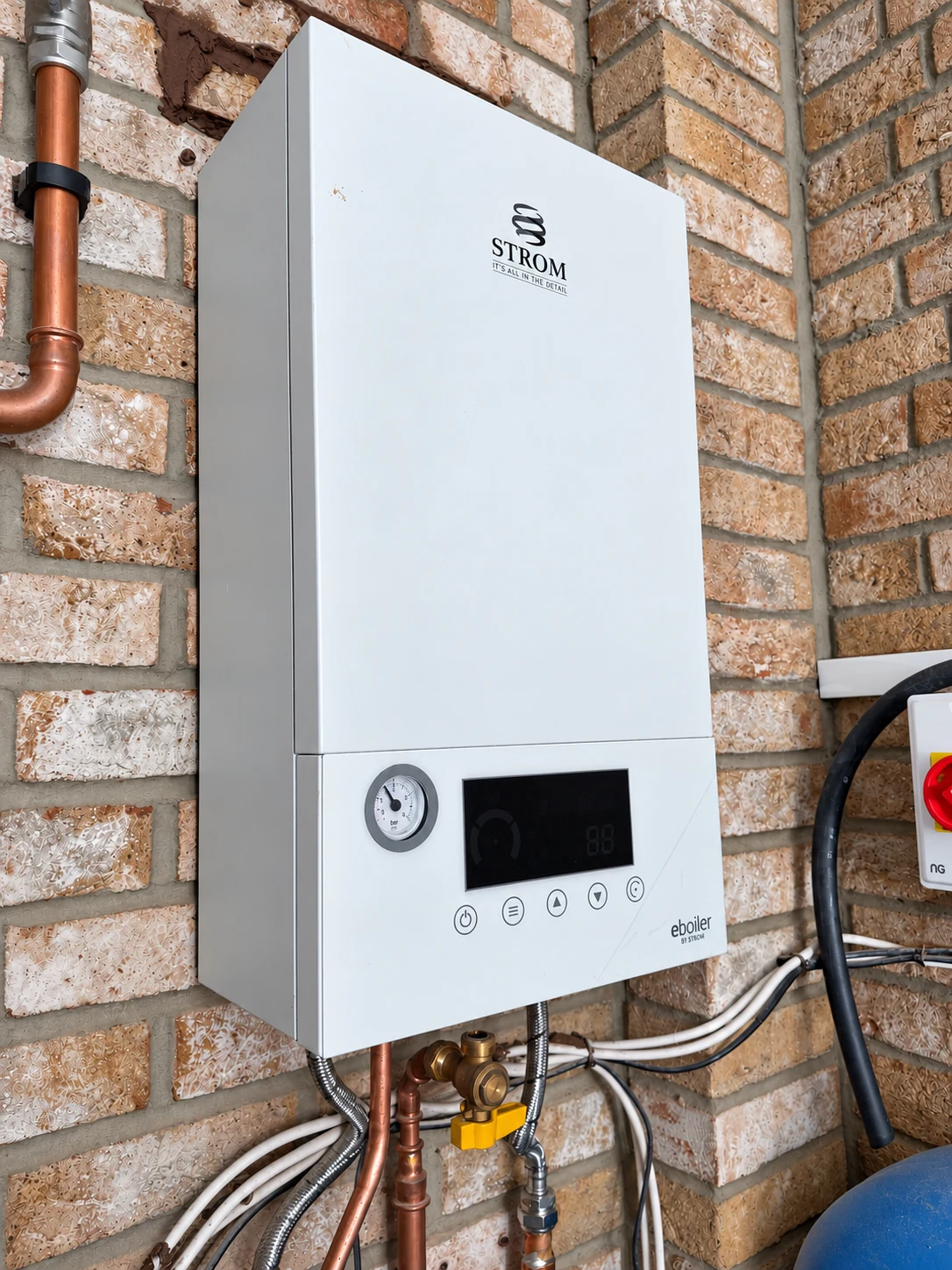
Strom 14.4kW System Boiler · SwiftHeat UK Group Ltd installation
Electric space heating through a wet central-heating system.
A Strom 14.4kW System Boiler with its controls and associated connections.
The photograph records the appliance, pipework and electrical connections.
Heat loss, electrical capacity and running costs determine whether a similar arrangement is suitable.
Winter heating demand and lower solar output belong in the same calculation. We explain the expected balance of generation, storage and grid electricity.
Use available solar in the home, store useful surplus or export eligible electricity.
Size the heating for colder weather and compare temperatures, performance and imported energy.
A home battery shifts energy between times of day. It does not usually store summer electricity for winter.
SwiftHeat UK Group Ltd is your starting point for the assessment, options and written proposal. The agreed scope identifies who designs, installs and supports each part of your project.
Start with my homeTell us about your property, existing equipment, budget and timing. We explain the useful next assessment and any fee.
The relevant checks cover heat loss, the building, roof, hot water, electrical supply and space. Your assessment identifies constraints before equipment is selected.
Review the design, work, costs and estimated performance. Your proposal names the delivery team and relevant certification, including specialist arrangements.
The agreed scope covers the programme, commissioning, handover, warranties and maintenance responsibilities, with a clear route for support.
The documents relevant to your installation include commissioning and test records, product guidance, registrations, warranties and required certificates or notifications. Your proposal confirms maintenance responsibilities and how to request support.

SwiftHeat UK Group Ltd: Wales Boiler Installer & Heating Contractor of the Year 2026, with a UK National Special Commendation in the boiler and heating contractor category.
Our recognition also includes energy consultancy and vulnerable-customer support. The awards below identify each category and level of recognition.
Care includes how we communicate. Tell us the contact method that works best for you.

SwiftHeat UK Group Ltd is part of the UK Government’s Disability Confident Committed scheme, Level 1, reflecting our commitment to a more inclusive workplace.
About Disability Confident ↗︎Explore the heating routes, specialist hot-water arrangements and equipment considerations behind your plan.
We consider comfort, installation cost, running costs and carbon together. Your recommendation explains the trade-offs.
Explore an air source heat pump with solar PV, suitable hot-water storage and, where it adds value, a battery. Plan the heating and electrical systems together.
Combine solar PV and optional storage with a heat pump and compatible boiler where the assessment supports it. Agree when each heat source should operate and how future upgrades could reduce fuel use.
An electric boiler can suit some homes where outdoor equipment is difficult to accommodate. Solar and storage may supply part of its electricity, subject to generation, battery output, heat demand and electrical capacity.
Sequence improvements around your budget, renovation plans and existing equipment, with each step preparing for the next.
SwiftHeat UK Group Ltd can plan electric boiler and hot-water arrangements around your existing heating system, the fabric of your property and the demands of your household.
We assess what can be retained, what needs upgrading and how the proposed system would operate. The right configuration follows the calculations and your priorities.
A suitable electric system or flow boiler can serve the heating and an appropriately matched indirect hot-water cylinder. We assess mains water flow and pressure, cylinder capacity, reheating time, available space and the safe discharge arrangement. This can be useful where stored hot water suits the household’s demand.
Consider an electric combi where its heating and hot-water performance match the home. Instantaneous models are limited by their electrical input and achievable hot-water flow; stored-water combi models have their own capacity and recovery limits. We check showers, baths and simultaneous use, rather than assuming a gas-combi replacement will perform identically.
A manufacturer-approved electric heat-only or flow boiler may be suitable for an existing open-vented heating circuit. We assess the feed-and-expansion arrangement, pipework, pump, cylinder and controls. Where conversion to a sealed system is proposed, we first assess whether the existing installation is suitable. Not every electric boiler supports an open-vented system.
Space heating and domestic hot water can be designed separately, for example with an electric flow boiler and a direct electric cylinder. We compare storage capacity, recovery, heat losses, available tariffs and compatible solar-diversion options. The value of storing heat is assessed alongside battery charging and electricity export.
Suitable designs can serve radiators, underfloor heating or a combination of both, including separately controlled areas. We assess room heat losses, water temperatures, flow rates, pumps, pipework and controls. Extensions, annexes and renovations are assessed within the property’s overall heating and electrical demands.
Need hot water only? Explore compact and stored-water solutions
Two separate design choices. A sealed or open-vented heating circuit describes the heating water system. An unvented or vented cylinder describes the domestic hot-water storage. We assess each arrangement and confirm compatibility.
Solar PV and a battery may contribute to an electric boiler’s electricity use. They do not remove its winter demand or make it equivalent to a heat pump. Your proposal compares the complete system, including imported electricity and likely running costs.
SwiftHeat UK Group Ltd is experienced in designing and installing unvented electric hot-water storage systems, including compact solutions such as the Ariston Velis Evo range.
From a single sink to a flat, annexe or family home, we match the arrangement to the space and the people using it. Where gas is unavailable, electric hot water can operate independently of the property's space heating.
A small unvented store beneath or near a sink can serve suitable low-demand outlets. Shorter pipe runs can reduce waiting and distribution losses. We assess the number of outlets, frequency of use and recovery time.
Examples: Ariston Andris, Heatrae Sadia Hotflo, STIEBEL ELTRON SHC and Hyco Speedflow.
A slim wall-mounted electric water heater can suit smaller homes or shower-room applications where its usable capacity meets demand. We check shower flow, consecutive use, available wall support and the time needed to reheat.
Example: Ariston Velis. Current ranges include Velis Pro and Velis Tech Wi-Fi; Velis Evo is a phase-out range.
A direct electric unvented cylinder can serve a wider hot-water demand without a gas boiler. We assess peak use, mains flow and pressure, usable storage, recovery and available space, including suitable slimline options.
Examples: Megaflo Eco Direct, Gledhill StainlessLite Plus Direct, Joule Cyclone Direct and OSO Super Xpress.
For suitable outlets, an instantaneous electric heater provides hot water without a storage cylinder. We check the achievable flow at the required temperature rise and the electrical load. Higher-demand models may require a three-phase supply.
Where compatible, scheduled heating or solar-PV diversion can make use of suitable tariffs or surplus generation. We compare these with battery charging, export and heat-pump water heating. Controls must preserve safe water temperatures and reliable availability.
We consider product suitability, technical support, parts availability and warranty terms. This is a selection shortlist; the appropriate model and supply arrangements are confirmed in your proposal.
Hot-water sizing starts with occupancy, outlets, draw-off patterns and recovery. Room-by-room heat-loss calculations separately establish space-heating demand. We assess the electrical supply, structure, water conditions, expansion and relief arrangements, discharge route, temperature control and maintenance access.
A smaller stored-water heater has a finite capacity. We explain what it can supply and how long it takes to recover, so the recommendation matches your expectations.
Compare suitability, controls, warranty terms and aftercare as part of the whole design. The final equipment selection is confirmed in your proposal.








Air source heat-pump manufacturers we install: Panasonic, Samsung, Viessmann, Mitsubishi Electric, Daikin, Hitachi, Bosch and LG. The suitable model, installation arrangements and relevant certification are confirmed after assessment.
 StromCombi, system & heat-only boilers
 Electric Heating CompanyComet, Fusion Astro & Slim Jim
 Heatrae SadiaAmptec & Electromax
 TriancoAztec system & combi boilers
 Elnur GabarronMAC15 combi & MAS15 system boilers
Electric-boiler brands to consider as part of your assessment. Product availability, electrical requirements, controls and manufacturer support are checked before a recommendation. Listing a brand does not imply accredited-installer status.
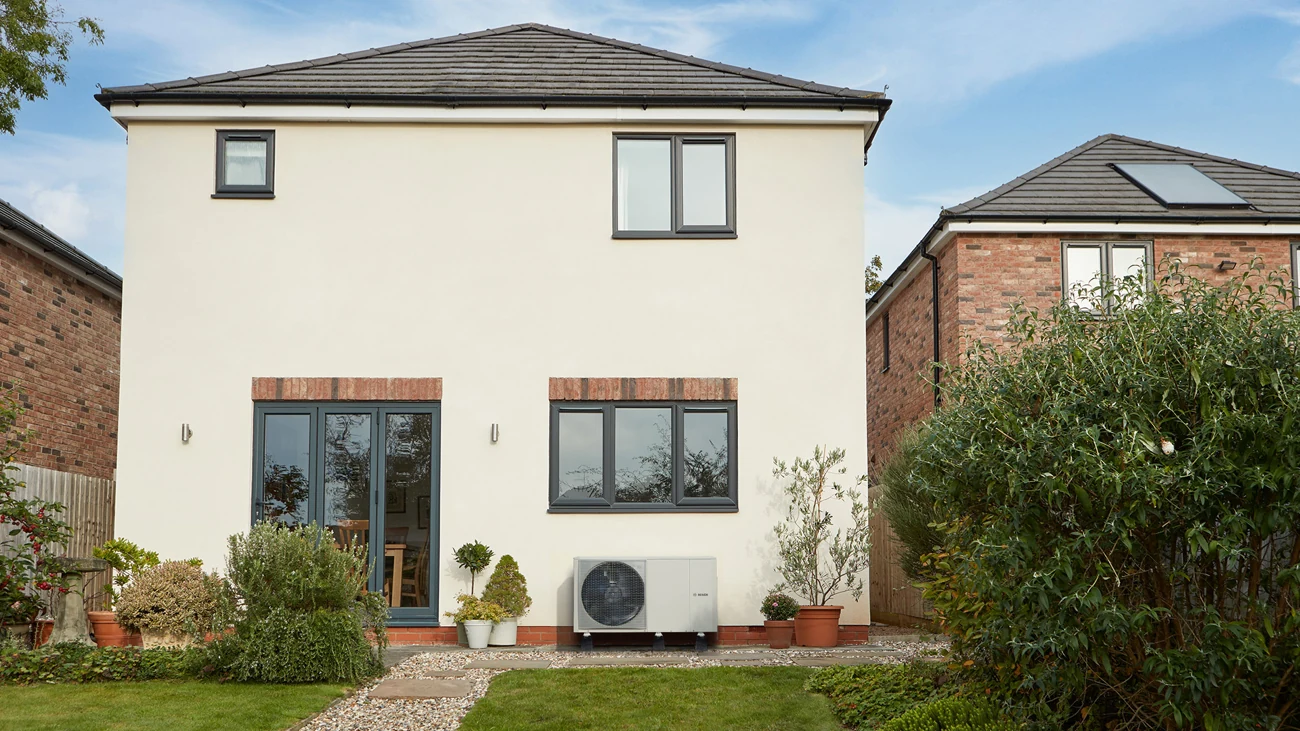
See how a domestic outdoor unit can sit alongside a home. Position, available space, heat demand and the indoor system all inform the design.
Manufacturer equipment example · Bosch
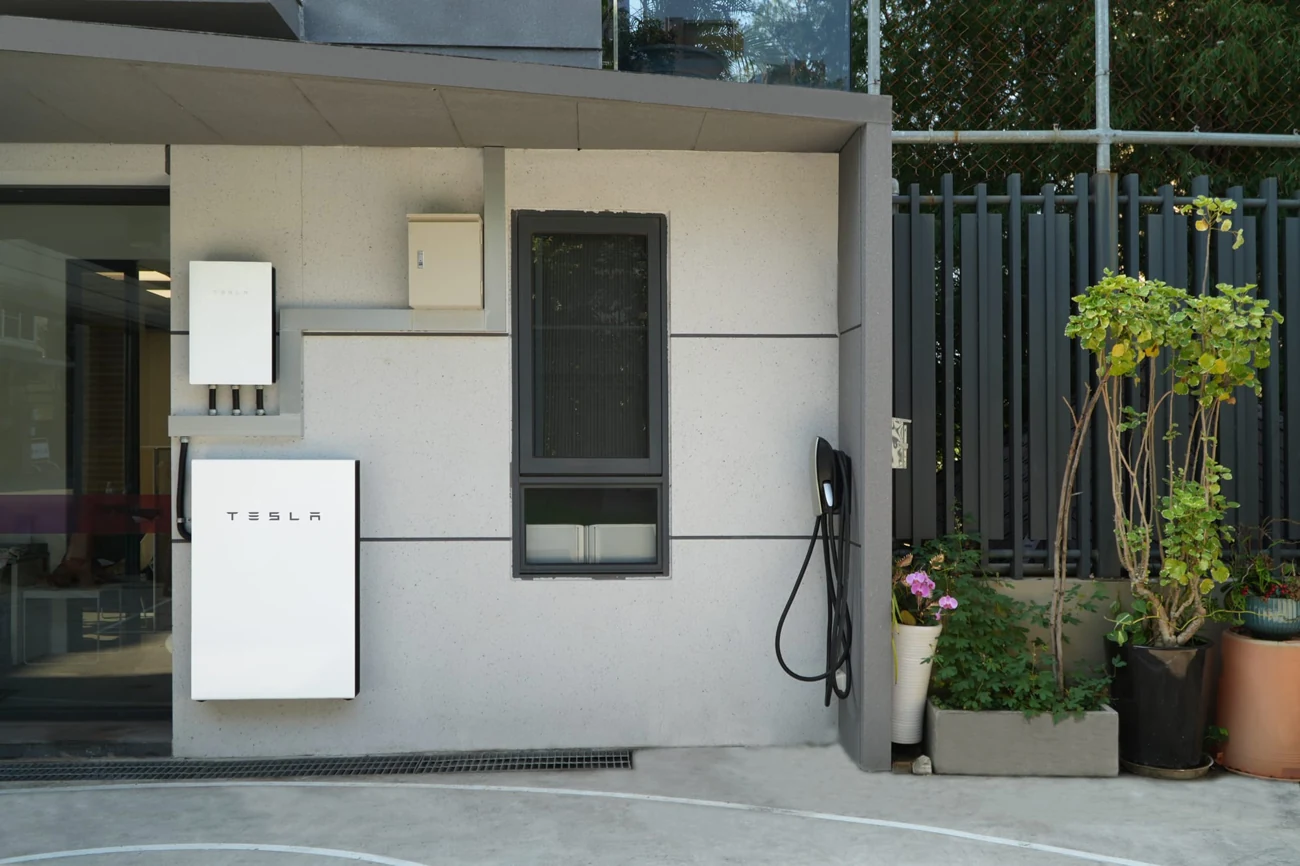
Storage capacity, usable output, location and how you use electricity help determine whether a battery is a sensible addition.
Manufacturer example · Tesla Powerwall, Wu family home, Taiwan
Tell us about your premises, operating hours and energy priorities. We’ll discuss the appropriate assessment and confirm the scope, delivery arrangements and next steps for your project.
A good recommendation leaves room for your questions. Here are some of the things worth discussing before choosing a system.
Talk through my questionsGreater independence is achievable for some homes, but complete year-round self-sufficiency is a different design challenge. Most domestic solar and battery systems retain a grid connection, particularly for winter. Your assessment should distinguish annual generation from the amount you can use when it is needed.
It can form part of a suitably designed electrical system, but available solar generation and battery power may not meet the boiler's demand. We check both electrical power and stored energy, alongside winter grid use. A direct electric boiler produces roughly one unit of heat per unit of electricity; a well-performing heat pump can deliver several. We compare likely running costs before recommending either.
A properly designed heat-pump system can heat a home through winter. Performance depends on the property, heating demand, outdoor conditions and system temperatures. Room-by-room heat-loss calculations and a review of radiators and controls help establish the appropriate design.
Where a detailed comparison supports combining a heat pump with a compatible boiler. The assessment considers comfort, installation constraints, energy prices, controls and future improvements. A fossil-fuel hybrid continues to use fuel and is not a net-zero heating system.
No. Eligibility depends on the property, technology, installer and current scheme rules. The Boiler Upgrade Scheme can support eligible heat-pump installations in England and Wales; fossil-fuel hybrid systems and direct electric boilers are not eligible technologies. We check the current position before including any grant in a proposal. Check current government guidance ↗︎
Savings depend on your starting point, installation, usage and tariffs. Your proposal should show estimated combined running costs, standing charges, maintenance and the assumptions behind the figures. We explain uncertainty so you can assess the investment realistically.
Yes. A whole-home plan can sequence suitable improvements around your budget and existing equipment. We consider how each step fits with later changes, including future heating demand, electrical capacity and available roof space.
Your written proposal names the design and installation team, relevant certification and aftercare responsibilities. See the assessment-to-handover journey.
This depends on the technology and existing installation. Your proposal should explain access, equipment locations, any work to radiators or pipework, expected interruptions to heating or hot water and making good. The installation programme is agreed before work begins.
Tell us what matters to you. We’ll help you explore a useful next step for your property.
0800 043 3464 ↗︎info@swiftheatuk.co.ukWe confirm postcode availability and explain any survey or design fee before booking.
“Communication was spot on from start to finish.”Wazir AW · Published boiler-installation customer feedback
Prepare your message here, then send it through WhatsApp or email.