


Start with the coldest room. Should you keep your boiler or switch to a heat pump?
With winter bills forecast to rise, a South Wales guide to making the home you have warmer and choosing what comes next.

Cover and article images are illustrative.
On a wet November evening in South Wales, you turn the heating up another degree. By the time the kettle boils, the kitchen is warm. Upstairs, the back bedroom still feels like the heating has barely come on.
Your coldest room might be the front room of a Cardiff terrace, where you sit with a blanket long after the radiators have warmed up. It might be the spare room that has become your office, where you know exactly how long you can type before you need to put a jumper on. You know the room. You probably know which chair, which corner and which time of day.
Start there. What would it take to make that room somewhere you actually want to spend time, and how much would it cost to keep it that way? That question is worth asking whether your boiler has years left in it or has just let you down for the second time. It also gets you closer to an answer on heat pumps than any national price headline can.
What the January forecast means at your kitchen table
On 18 November, energy market analysts Cornwall Insight forecast that the price cap for a typical dual-fuel household would rise from £1,723 to £2,166 a year, an increase of £443, or about 26%. That is what a year’s typical usage would cost at the forecast January–March 2027 rates for a household in Great Britain on a default tariff paying by Direct Debit. The cap limits unit rates and daily standing charges. Your bill depends on your tariff, where you live and how much energy you use. Ofgem is due to announce the confirmed rates by Wednesday 25 November 2026. Ofgem price cap · Cornwall Insight forecast
Compared with the October–December cap averages, gas is forecast to rise from 7.97p to 10.90p per kWh, about 37%. Electricity is forecast to rise from 26.32p to 32.54p per kWh, about 24%. These are Great Britain averages for Direct Debit customers. To work out what a change could mean for your home in South Wales, start with the unit rates on your own tariff. Current rates · Forecast rates
Take out last January’s bill and find how much gas you used in kWh. Every 1,000 kWh would cost £109.00 at the forecast January 2027 rate, compared with £79.70 at the October–December 2026 average cap rate, before standing charges. Multiply that past January usage by £0.0293 to estimate the difference at those rates. For a comparison tailored to your bill, use your own current rate and your supplier’s new rate once it is available. Current rates · Forecast rates
Make an ordinary Tuesday your first test
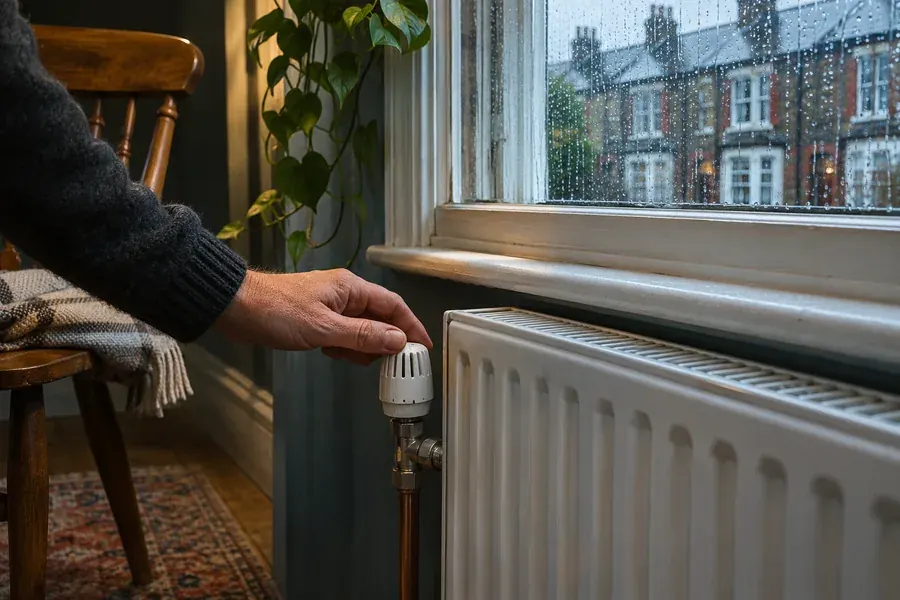
Before you price a new system, spend an evening getting to know the one you already have. Start with the timer. If everyone is out by eight, how long does the heating stay on? Come evening, is an empty spare room as warm as the room where you eat? Matching the timer to the way your week actually runs, and using radiator valves to turn down heat where it goes unused, are changes you can make now. Keep the rooms you live in comfortably warm. Citizens Advice Cymru
If you have a condensing combi boiler and its radiator flow temperature is set around 70–80°C, see whether the house stays comfortable with the radiator setting at around 60°C. Look for the radiator symbol and leave the tap-water setting alone. Give the rooms time to warm up and raise the setting if they struggle in colder weather. If you have a separate hot-water cylinder, speak to your engineer first, as the boiler setting may also affect how the stored water is heated. Energy Saving Trust · Citizens Advice Cymru
Then follow the cold you can feel. The draught might be coming from a worn back-door seal or around the loft hatch. Keep purpose-built vents, airbricks and extractor fans clear. If the whole house cools quickly, checking the loft insulation is worth doing whichever heating system you choose. In Wales, Nest offers free advice on 0808 808 2244 and can check whether you qualify for funded improvements. Energy Saving Trust · Welsh Government Nest
Finally, compare tariffs using a full year’s gas and electricity use in kWh. Include standing charges and any exit fee. If you’re looking at a heat-pump tariff, price your whole household’s electricity on it. A cheap overnight rate may suit a programmed hot-water cylinder, while a higher evening rate will affect what it costs to cook dinner and run the washing machine. Which? tariff comparison · Heat-pump scheduling
Can a heat pump really cost less to run than gas?
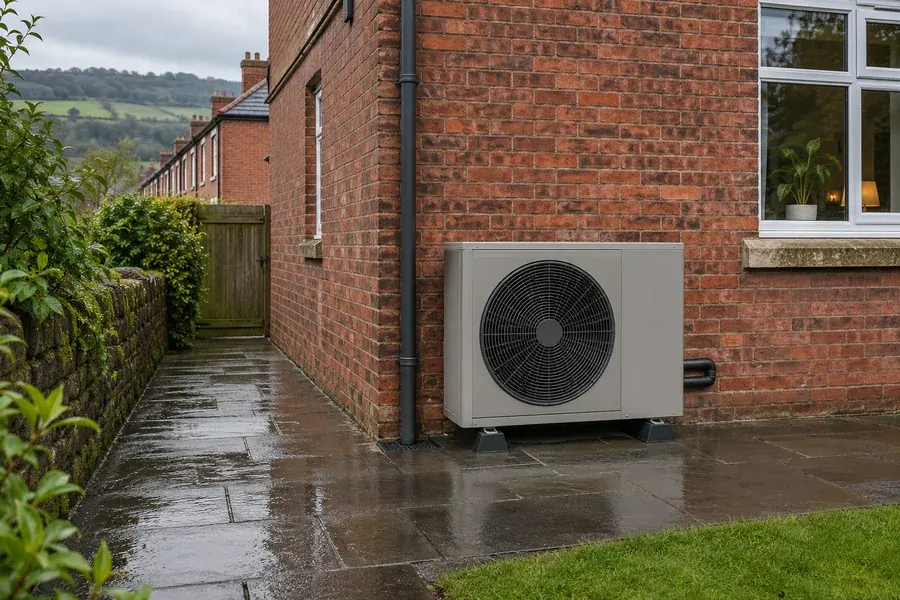
Yes, if it delivers enough heat for each unit of electricity it uses. A boiler burns gas to make heat. An air-to-water heat pump uses electricity to move heat from the outdoor air into your radiators or underfloor heating. A heat pump averaging three units of heat for each unit of electricity needs about 333 kWh of electricity to deliver 1,000 kWh of warmth. A boiler averaging 90% efficiency needs about 1,111 kWh of gas to deliver that same warmth. Energy Saving Trust
| To deliver 1,000 kWh of useful heat | Energy cost at forecast January unit rates |
|---|---|
| Gas boiler averaging 90% efficiency | £121.11 |
| Heat pump averaging 2.5 units of heat per unit of electricity | £130.16 |
| Heat pump averaging 3.0 | £108.47 |
| Heat pump averaging 3.5 | £92.97 |
At the forecast rates, the heat pump at 3.0 costs about £13 less than the example boiler for the same 1,000 kWh of warmth. At 2.5, it costs about £9 more. The two cost about the same in energy use at 2.69 units of heat per unit of electricity, compared with 2.97 at the October–December rates. For an annual budget, use your actual tariffs, your home’s estimated seasonal performance and any standing charges. For the full cost of switching, include installation and servicing, too. Current rates · Forecast rates
How close might your home get to 3.0? A government-funded UK trial of 428 air-source systems recorded a median whole-system seasonal performance of 2.78. A quarter of systems achieved roughly 2.55 or below and a quarter achieved roughly 3.05 or above. A cold January day can demand more electricity per unit of warmth than the seasonal average suggests. Ask your installer for a written estimate for your own home that includes hot water and backup electricity, along with the assumptions behind it. UK heat-pump field trial · MCS performance estimates
What would it cost to make the switch?
Energy Saving Trust puts a typical air-source installation at around £12,000. Eligible property owners in Wales can get £7,500 towards an air-to-water heat pump through the Boiler Upgrade Scheme. On a £12,000 quote before the grant, that would leave £4,500 to pay. An MCS-certified installer applies on your behalf and shows the grant deduction on your quote. Ask for an itemised price that shows what’s included, from the outdoor unit and cylinder to any radiator changes and labour. If your boiler is already due for replacement, compare the price after the grant with the full cost of a new boiler. If your boiler still has useful years left, compare it with the cost of keeping your present system going. Energy Saving Trust installation costs · Ofgem Boiler Upgrade Scheme
For eligible homes without a mains gas connection that are replacing oil or LPG, the grant rises to £9,000 for a qualifying air-to-water or ground-source heat pump. The uplift is scheduled to end on 31 March 2027 and applies to eligible applications properly made by that date. Ask your installer what information and consent Ofgem needs to complete the application. Ofgem scheme guidance
Show the installer the room you struggle to heat
Show them the room that made you start asking questions. How much heat does it lose on a cold day? Could the existing radiator keep up at the proposed water temperature? If it needs replacing, ask what size would work there. Then talk through the morning rush. If two people shower back-to-back before work, what size cylinder would you need, where would it go and how long would it take to reheat? Ask to see where the outdoor unit would sit. Energy Saving Trust design guidance
Get the figures in writing before deciding. Ask for the total after the grant, the expected annual electricity use for heating and hot water, and the tariff used to estimate the bill. If switching costs more upfront, ask how long the estimated fuel savings would take to close the gap. If the switch would let you give up gas altogether, ask your supplier how to close the account, when the standing charge will stop and whether it charges to remove the meter. For a longer-term estimate, bear in mind that the government has asked Ofgem to abolish domestic gas standing charges, aiming for the end of 2027 or as soon as possible afterwards. MCS performance estimates · Wales & West Utilities · UK Budget 2026
If your boiler is keeping you warm and working reliably, there’s value in making the house more comfortable now and giving yourself time to plan. The next time a radiator needs replacing, ask whether it can be sized for lower water temperatures so it could work with a future heat pump. If the boiler is getting harder to rely on, price both systems while you still have time to weigh them up. A heat pump deserves serious consideration when it can warm the whole house, meet your hot-water needs and make financial sense for you. Staying with gas can be a reasonable choice when the cost of switching would stretch the household budget. Energy Saving Trust design guidance
How SwiftHeat can help you choose what comes next
At SwiftHeat UK Group Ltd, our Whole Home Energy Solutions start with the coldest room and take in the rest of the house. We look at how your home loses heat, how your radiators and controls work, how much hot water you need and what you’re spending on energy. That gives us a basis for recommending work you can do now and planning any bigger changes around your budget.
Sometimes the right answer is better controls or a radiator upgrade. If your boiler is due for replacement, we can assess gas, oil and LPG options and explain what each would involve for your property. Through our Air Source Heat Pump Solutions, we can assess where the outdoor unit and cylinder would fit, what changes your radiators might need and how the system could serve you through winter. If you need a new system or a more extensive upgrade, our Full Heating Design & Installation service brings the heat source, radiators or underfloor heating, hot water and controls into one plan.
We can also look at Solar Power. If your roof and electricity use make solar PV a good fit, we can explore how it would work alongside your heating and whether battery storage would help you use more of the electricity you generate. You can consider it as part of the same project or plan it as a later step.
By next winter, you could be using that back bedroom again, even on the wettest evening of the week. To get started, bring us a bill showing your annual energy use and tell us which room you’d like to get right first.
SwiftHeat UK Group Ltd offers whole-home energy assessments across Cardiff and South Wales. 0800 043 3464 · Email our team · Enquire about a whole-home assessment